
The process of obtaining a medical marijuana card has become significantly more accessible with the growth of telehealth. Medical cardholders also generally pay lower taxes than recreational consumers, have access to higher purchase limits, and have legal documentation of their legitimate medical use. Chronic pain is the most common reason patients seek medical cannabis. For patients with anxiety or depression, the choice between CBD and THC requires careful consideration. Starting with lower doses and titrating slowly is particularly important in this population.
This guide covers the current research (safety considerations), and… While both substances show promise for mental health treatment individually, their combined use introduces additional risks and contraindications that users must understand before proceeding. Some users prefer THC (especially in the evening) for heavier body sensations, while others start with CBD or CBD-forward ratios for a gentler profile. Even small changes in dose (product type), or setting can shift how CBD or THC feels—what’s smooth for one person may feel uncomfortable for another. Use the notes below to match each compound’s typical feel to your goals. CBD tends to act like a stabilizer (nudging things toward calm without a buzz), while THC is the volume knob that can lift mood and sensation—or feel like too much if you overshoot.
Low and moderate doses of THC are well-tolerated by humans and can effectively reduce stress and anxiety. Most cannabis users consider the high from THC as a pleasurable sensation. You can use the above bullet points as a quick reference point, but the differences between CBD vs. THC are more complex than that.
Recreational users look for this due to its effects that are euphoric medical cannabis and chronic pain evidence (calming), and alter perceptions. Over 100 cannabinoids are produced by the cannabis plant, but two of them stand out in terms of both prevalence and the extent of research available. The cannabis plant contains two primary cannabinoids, CBD , cannabidiol, and THC (tetrahydrocannabinol), which are found in abundance.
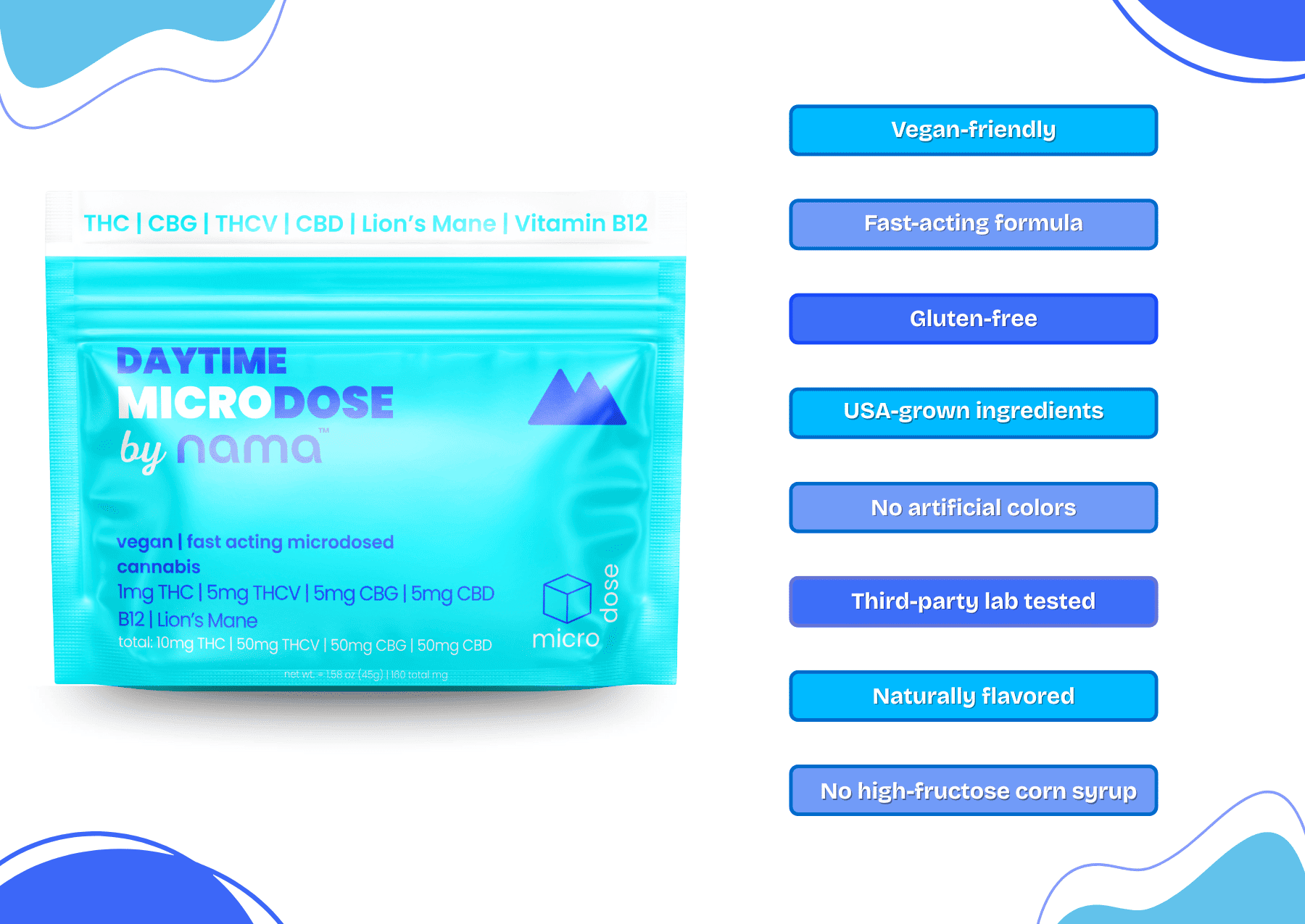
What is the difference between cannabis products and CBD? At Gold Leaf, we are dedicated to providing high-quality medical cannabis in Maryland and are happy to answer any questions you may have. Understanding the differences between these two cannabinoids can help consumers make informed decisions about their health and wellness. If you’re new to CBD or THC, start with a low dose and gradually increase it until you find the optimal dosage for your needs. Always consult a healthcare professional for personalized advice, especially if you’re taking other medications or have underlying health conditions.
Your state’s laws fundamentally determine which cannabinoid you can legally access, with CBD available nationwide while THC requires state-level legalization. Cancer pain (diabetic neuropathy), and nerve injury pain often require THC’s potency when CBD alone proves insufficient for adequate relief. Depression represents another mental health condition where cannabinoid choice matters, with mixed evidence for both compounds and significant individual variation. THC can reduce anxiety at low doses , 2.5-5mg, but often increases anxiety at higher doses through CB1 receptor overstimulation in brain regions controlling fear and worry. This combination approach often works better than either cannabinoid alone for complex conditions with multiple symptoms requiring management. Choose CBD when you need therapeutic benefits without any impairment, particularly for daytime symptom management during work or other responsibilities.
THC metabolites are detectable in urine for approximately three to four days after a single use in an occasional consumer — but for two to four weeks or longer in a daily or chronic user, due to THC’s storage in fatty tissues. Obtaining a medical marijuana card is more accessible than many patients realize. And unlike THC (CBD does not cause tolerance in the traditional sense), meaning users do not typically need increasing doses to achieve the same therapeutic benefit over time. THC-COOH is the primary metabolite detected in standard urine drug tests, and it can remain detectable for days in occasional users and several weeks in chronic heavy users due to its tendency to accumulate in fatty tissues and release slowly over time.
Whether you prefer to use them separately or together (knowing what each compound does and how it aligns with your personal health goals can help you make smarter), safer choices. That’s why it helps to know how they work (especially if you’re using cannabis to deal with chronic pain), anxiety, or something like post-traumatic stress disorder (PTSD). Both CBD and THC come from the cannabis plant, but they don’t act the same once they’re in your body. CBD usually feels much subtler, often described as calming or grounding without mental impairment. THC is psychoactive and produces a high (while CBD is non-intoxicating and is often used for calming), inflammation, or wellness support. THC and CBD are both cannabinoids from the cannabis plant — but they affect the body differently.

How-to guides
Understanding cannabinoid science relies heavily on the intricacies of phytocannabinoids. At a glance: CBD vs THC. This includes what CBD and THC are (how they function within the body), the experiences people report, and distinguishing which is more potent; while THC is the primary psychoactive compound, it is not inherently the wrong option. If you feel drowsy, cloudy-headed, or are using it alongside alcohol, sedatives, or other impairing substances, it’s best to refrain from driving with CBD. While some individuals may find THC relaxing, it can heighten anxiety or panic for others, particularly at elevated doses. Some individuals may experience a different feeling from THC when using CBD, although it is not a sure remedy.
Although you won’t experience a “high,” you may feel a reduction in daily stress or notice lessening of anxious thoughts, allowing you to remain focused and present. While the science clarifies the differences between CBD and THC — the most important aspect is how these substances affect your feelings. After obtaining certification (patients are allowed to access a comprehensive array of regulated cannabis products), which includes formulations dominated by CBD, THC, and balanced mixtures. For those needing THC-rich products or higher-potency CBD, the most dependable and legally protected way is to acquire a medical marijuana card. THC can lessen anxiety at low doses, but it often worsens it at higher doses, especially for users unfamiliar with its effects. Are you prepared to gain legal access to medical cannabis under the guidance of a licensed professional?