
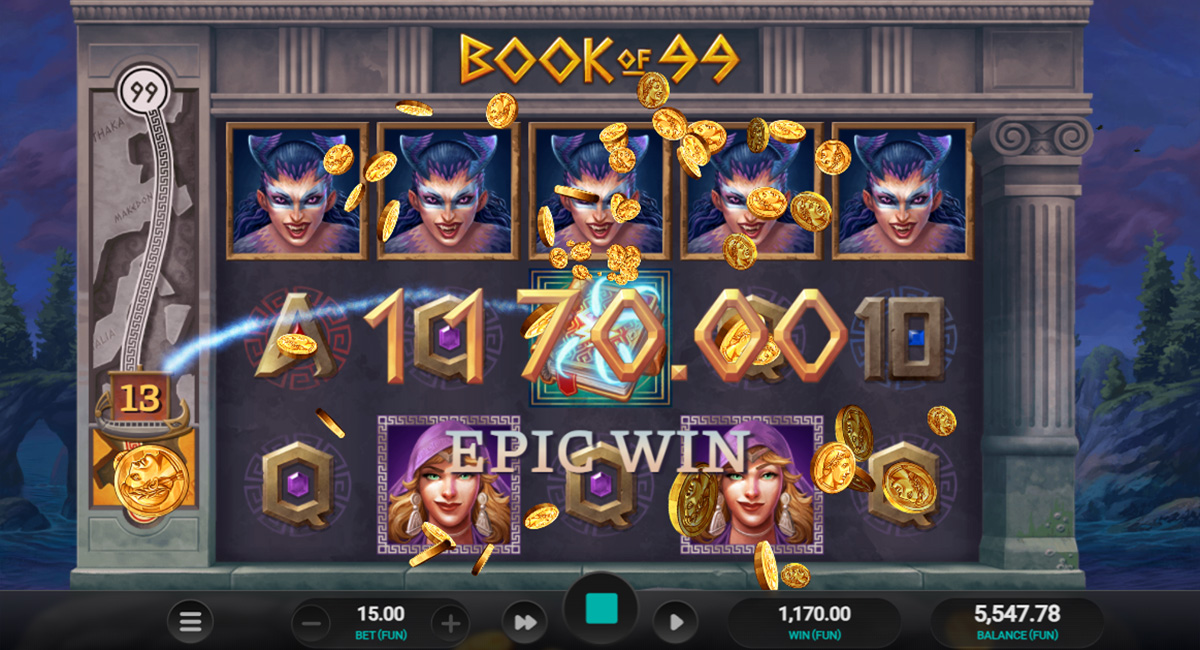
As a veteran reviewer of the online casino landscape, I discover that players are often so enthralled by a game’s mechanics, like the alluring high-volatility RTP of Book of 99, that they miss the essential framework of legal documentation that makes playing it protected and legitimate in the UK. This isn’t just bureaucratic red tape; it’s your primary shield. Before you seek the high-stakes adventure of this popular slot, understanding the paperwork required by both you and the operator is vital. This article will meticulously dissect the seven core pillars of legal documentation that govern your access to Book of 99 on UK-licensed platforms. From the mandatory licensing of the casino itself to the Know Your Customer (KYC) checks you’ll undergo, I’ll provide a hands-on, step-by-step guide to what you need, why it’s required, and how to manage the process seamlessly, ensuring your gaming experience is both pleasurable and protected within the strict confines of British law.
Understanding the UK Gambling Commission’s Licensing Framework
The fundamental bedrock of legal online slot play in the UK is the Gambling Commission licence. Any casino presenting Book of 99 to British players must maintain a valid, active licence from this regulator. I cannot emphasise its importance; it is the single most critical document. This licence isn’t merely a permit to operate. It is a detailed contract between the regulator and the operator, committing the casino to rigorous standards on player protection, fair gaming, anti-money laundering protocols, and responsible gambling. When you play at a UKGC-licensed site, you are engaging with an entity that is legally obligated to treat you fairly, pay your winnings promptly, and safeguard your funds in segregated accounts. The licence number is always displayed at the bottom of a casino’s website, and I always advise players to click through to verify its status directly on the Gambling Commission’s official register. Playing Book of 99 on a site without this licence strips you of all these statutory protections and avenues for redress.
Compulsory Player Verification: The KYC Process
Once you’ve chosen a licensed operator, the next legal requirement directly affects you: the Know Your Customer (KYC) verification process. This is a required legal obligation under UK anti-money laundering and counter-terrorist financing regulations, not a discretionary request from the casino. The process requires you to submit specific documents to prove your identification, age, and address. I’ve seen many players show frustration at this step, but from my analytical viewpoint, it’s a critical safety net. It prevents underage gambling, deters fraud, and protects your account from being used illicitly. The casino is legally prohibited from allowing you to withdraw any winnings from Book of 99 until this process is successfully completed. Therefore, submitting clear, valid documents promptly is in your direct benefit. It streamlines your experience and unlocks full access to the platform’s functionalities, including cashing out those sought-after Book of 99 bonus round wins.
Principal Proof of Identity Papers
For the identification portion of KYC, you need to provide a government-issued photographic ID. The valid documents are standardised across UKGC-licensed operators. The most common and globally acknowledged is a valid passport. Its benefit is that it’s an internationally recognised travel document with robust security features. The next most frequent option is a UK photocard driving licence (full or provisional). This is a handy choice for the majority of UK residents. Some operators may also accept a UK biometric residence permit. What I must stress is that the document must be current and not expired. A distinct, colour photograph or scan of the full document is required, showing all four corners, your photograph, your full name, date of birth, signature, and the document’s expiry date. Unclear, cropped, or expired documents will be turned down, causing avoidable delays in accessing your Book of 99 winnings.
Proof of Address: Establishing Your Where You Live
Beyond proving who you are, you must prove where you live. This is a critical legal check to confirm you are physically located within the UK, a condition of using a UK licence, and to further prevent fraud. The document must be recent, typically issued within the last three months, and must clearly show your full name and your current residential address. A utility bill (gas, electricity, water, or landline phone) or a council tax bill are considered the gold standard. A bank or building society statement, or a credit card statement, is also widely accepted. Official letters from government departments, such as HMRC or the DWP, can also suffice. Importantly, mobile phone bills and printed online statements are sometimes accepted but can be subject to stricter scrutiny; I always recommend using a traditional utility bill or bank statement if possible to avoid holdups.
Documentation for Payment Method Verification
This area is often a surprise to players, but it’s a logical extension of anti-fraud measures. For depositing and, crucially, withdrawing funds, proof of ownership of your chosen payment method is required. If you use a debit card (like Visa or Mastercard), you will likely need to provide a photograph or scan of the physical card. For safety, you may hide the middle eight digits of the card number and the CVV on the reverse; only the final four digits and your name should show. For e-wallets like PayPal, Skrill, or Neteller, you may need to provide a screenshot of your account overview showing your registered name and email address, confirming it matches your casino account. This process legally links your financial footprint to your verified identity, establishing a secure audit trail for all transactions associated with your Book of 99 play.
Rules and Regulations: A Player-Operator Arrangement
Even though it is not a document you submit, the casino’s Terms and Conditions (T&Cs) constitute the legal contract between you and the operator. I review these meticulously, as they regulate every aspect of your engagement with the Book of 99 slot. Key sections you need to review include bonus wagering requirements (especially relevant if you use a bonus to play), game contribution percentages, withdrawal limits and processing times, dormant account policies, and rules on fair play. The T&Cs will also outline the legal jurisdiction for any disputes, which for a UKGC licensee will be under English and Welsh law. By creating an account and playing, you are legally consenting to be bound by these terms. Therefore, understanding them is not just prudent; it’s a fundamental part of being an informed consumer. Ignorance of a clause, such as a maximum bet rule under a bonus, can lead to voided winnings.
Responsible Gambling Tools and Voluntary Ban Agreements
The final pillar of legal documentation centers on player protection tools, which are a fundamental requirement of the UKGC licence. These are formal mechanisms you can activate, creating a documented agreement with the casino to regulate your play. They include deposit limits, loss limits, wagering limits, and session time reminders, all of which you can configure within your account. More notably, you can engage in a formal self-exclusion agreement via GAMSTOP. When you ban yourself through this national scheme, you are legally documented as electing to be barred from all UK-licensed gambling sites for a selected period. During this time, operators are legally prohibited from marketing to you or allowing you to open new accounts. This documentation acts as a powerful legal protection for individuals who feel their engagement with games like Book of 99 is becoming troublesome.
Common Questions
Why do I need to send documents to play an online slot like Book of 99?
UK law mandates that licensed casinos verify your identity, receive free spins slot book of 99, age, and address. This KYC process prevents underage gambling, money laundering, and fraud. It additionally safeguards your account and guarantees winnings go to the right person. No verified documents mean no withdrawals, so submitting them promptly is in your best interest.
What is the quickest document combination for verification?
To verify fastest, pair your UK photocard driving licence for ID (which displays your address) with a recent utility bill or bank statement for address verification. This meets both requirements using widely accepted documents. Make sure scans are clear, in colour, and display all details. Avoid using mobile bills if you can use a core utility bill.
Is it safe to send personal documents to an online casino?
Yes, provided the casino holds a valid UK Gambling Commission licence. Such operators are legally obligated to apply rigorous data protection measures (GDPR-compliant) and employ secure, encrypted portals for document submissions. Your data is not permitted for marketing or unlawful sharing. Do not submit documents to an unlicensed website.
Am I allowed to play Book of 99 before my account is completely verified?
Generally, yes, you can deposit and play games such as Book of 99 before finishing verification. However, a key legal rule applies: you cannot withdraw any winnings until the KYC process is fully completed. This is a common regulatory requirement for all UK-licensed operators to prevent fraud before funds are paid out.
What happens if my verification document is rejected?

The casino’s support team will usually email you explaining the reason—common issues include blurry images, expired documents, or mismatched names. You simply need to resubmit a correct, clear version of the required document. Should the rejection seem mistaken, reach out to customer support directly for clarification. Keep trying until verified; this legal requirement cannot be avoided.