

The Pacific region, home to countless islands and diverse cultures, faces unique challenges and opportunities. pacific ngo work nonprofit work in the pacific plays a crucial role in addressing local issues, promoting sustainable development, and empowering communities. NGOs have established themselves as key players in various sectors, contributing significantly to the social, economic, and environmental well-being of the region.
The Importance of NGOs in the Pacific
Non-governmental organizations (NGOs) in the Pacific operate in a multifaceted environment, often complementing the efforts of government and international agencies. These organizations focus on a wide range of issues, including health care, education, environmental conservation, disaster relief, and human rights. The significance of NGOs in the Pacific can be summarized through several key roles they play:
1. Addressing Social Issues
Many Pacific nations grapple with social issues such as poverty, gender inequality, and access to education. NGOs work tirelessly to create programs that empower marginalized communities, particularly women and children. By providing educational resources, vocational training, and health services, these organizations foster social equity and promote community resilience.
2. Environmental Protection
The Pacific Islands are particularly vulnerable to climate change, with rising sea levels and extreme weather threatening livelihoods and cultural heritage. NGOs engage in environmental preservation efforts, advocating for sustainable practices, protecting biodiversity, and promoting climate adaptation strategies. By collaborating with local communities, they develop initiatives such as reforestation programs and marine conservation projects that safeguard the region’s natural resources.
3. Disaster Response and Resilience Building
Natural disasters are a frequent occurrence in the Pacific, and the role of NGOs in disaster response is vital. They mobilize resources quickly to provide emergency relief, including food, shelter, and medical care. Furthermore, many NGOs focus on long-term resilience building, helping communities to develop disaster preparedness plans and build infrastructure that can withstand future challenges.
4. Promoting Sustainable Economic Development
Economic opportunities in the Pacific can be limited, particularly in rural areas. NGOs often facilitate sustainable livelihoods by promoting alternative income-generating activities, such as eco-tourism, sustainable agriculture, and handicrafts. Through capacity building and access to markets, NGOs help communities to diversify their income sources, reducing dependency on traditional industries that may no longer be viable.
5. Advocacy and Policy Influence
NGOs serve as advocates for vulnerable populations, amplifying their voices in policy discussions. They engage with local and national governments, ensuring that the needs of marginalized communities are represented in decision-making processes. By conducting research, raising awareness, and lobbying for policy changes, NGOs contribute to the development of more inclusive and effective governance frameworks.
Challenges Faced by NGOs in the Pacific
Despite their significant contributions, NGOs in the Pacific face numerous challenges that can hinder their effectiveness:
1. Limited Funding
Many NGOs rely on external funding from international donors, which can be unpredictable. Fluctuating financial support may affect their ability to sustain programs and hire skilled personnel. Additionally, the competition for grants may limit the resources available for smaller NGOs that are doing crucial work on the ground.
2. Capacity Building
While some NGOs possess strong management and operational skills, others may face difficulties in capacity building. Limited access to training and development opportunities can hinder the growth of these organizations, affecting their overall impact. NGOs need support in areas such as project management, financial sustainability, and monitoring and evaluation to enhance their effectiveness.
3. Cultural Sensitivity and Community Engagement
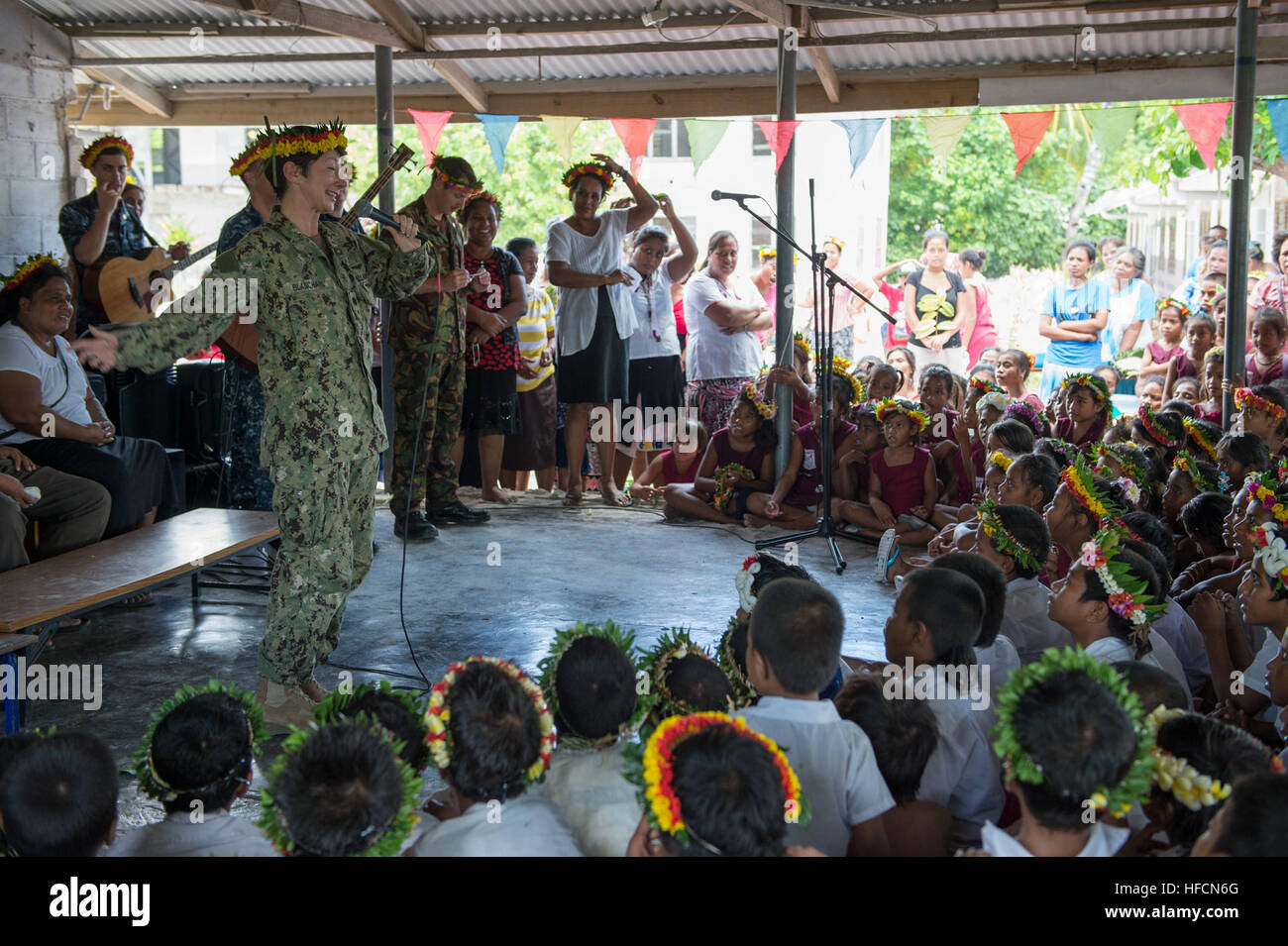
NGOs must navigate the diverse cultural landscape of the Pacific, understanding and respecting local customs and traditions. Building trust and fostering genuine engagement with communities is essential for successful program implementation. NGOs need to prioritize culturally sensitive approaches and involve local stakeholders in decision-making processes.
4. Geographic Isolation
The geographic remoteness of many Pacific islands can pose logistical challenges for NGO operations. Transportation difficulties, high costs, and limited infrastructure can restrict access to target communities and resources. This situation requires creative solutions and collaboration with local partners to ensure effective program delivery.

Success Stories: Impact of NGOs in the Pacific
Numerous success stories highlight the transformative power of NGOs in the Pacific region. For instance, in Vanuatu, organizations like OPED have made significant strides in capacity building for local farmers, promoting sustainable agricultural practices that increase food security and income. Their programs demonstrate how targeted interventions can lead to lasting positive change.
Similarly, in Papua New Guinea, NGOs focused on health education have contributed to lower rates of preventable diseases through community-led initiatives. By addressing health disparities and promoting awareness, these organizations have played a crucial role in improving public health outcomes.
The Future of NGO Work in the Pacific
As the Pacific region continues to face evolving challenges, the role of NGOs will remain vital. To enhance their effectiveness, it is essential to foster collaboration among NGOs, governments, and international agencies. Building networks and sharing best practices will allow organizations to learn from one another and maximize their impact.
Moreover, embracing technology and harnessing innovative solutions can further empower NGOs in the Pacific. Digital tools can enhance communication, facilitate data collection, and improve monitoring and evaluation processes, ultimately leading to more impactful interventions.
In conclusion, NGOs in the Pacific are pivotal for community development, environmental conservation, and disaster resilience. By addressing the needs of vulnerable populations and advocating for sustainable practices, these organizations contribute significantly to the overall well-being of the region. As challenges persist, the solidarity and collaboration fostered by NGOs will be essential to ensure a brighter future for Pacific communities.