

In the world of digital signal processing, platforms and frameworks are crucial for managing and manipulating data. Two significant systems that often come up in discussions are DSP (Digital Signal Processing) and CIIP (Continuous Integration and Improvement Processes). Both have their unique features and applications that make them valuable across various industries. In this article, we will delve into the comparative analysis of dsp ciip comparison vanuatu dsp vs ciip, examining their functionalities, advantages, and drawbacks, to help stakeholders make informed decisions.
Understanding DSP and CIIP
What is DSP?
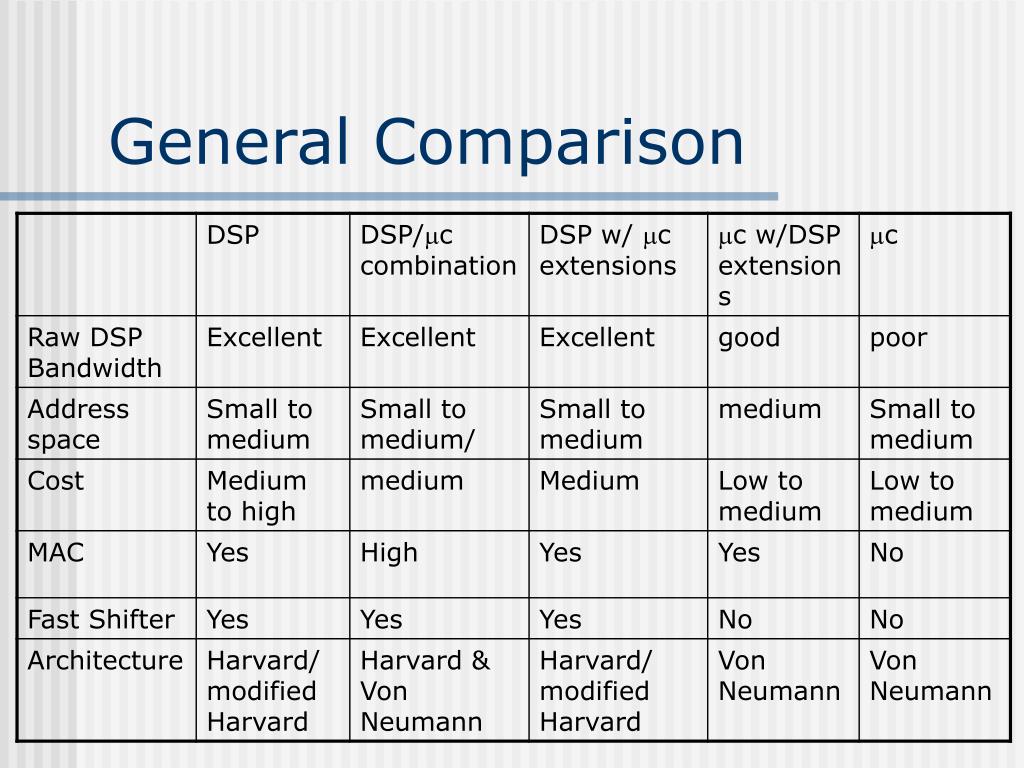
Digital Signal Processing (DSP) refers to the manipulation and analysis of signals through digital techniques. DSP algorithms are integral in processing audio, speech, video, and other sensor data. It enables real-time modification and enhancement of signals, providing clearer, more precise outputs. Common applications of DSP include noise reduction in audio signals, image filtering, and speech recognition systems.
What is CIIP?
Continuous Integration and Improvement Processes (CIIP), on the other hand, involve methodologies and practices aimed at enhancing software development efficacy. CIIP emphasizes iterative development, constant testing, and optimization to ensure that projects are delivered with high quality and efficiency. This system is highly regarded for its flexibility, allowing teams to adapt quickly to changes while improving overall productivity.
Key Features of DSP
- Real-time Processing: DSP enables real-time processing capabilities, meaning that it can analyze and manipulate data as it is received without any lag.
- Versatility: It can be applied across a variety of domains, from telecommunications to biomedical engineering.
- Precision: DSP allows for high levels of accuracy, which is essential in applications like medical imaging and professional audio.
- Algorithmic Flexibility: Developers can create a range of algorithms to suit specific processing needs, enhancing the efficiency of signal interpretation.
Key Features of CIIP
- Automated Testing: CIIP emphasizes automated testing mechanisms that allow for quicker identification of bugs and issues.
- Integration Flexibility: Different tools can be integrated into the CI pipeline easily, enhancing capability and efficiency.
- Continuous Feedback: This leads to a system where teams can continuously improve their code and processes based on user feedback.
- Enhanced Collaboration: CIIP fosters better communication and collaboration among team members, resulting in improved project outcomes.
Advantages of DSP
One of the primary advantages of DSP is its ability to handle complex tasks with high accuracy. For instance, in telecommunications, DSP enables noise cancellation which improves the clarity of voice transmissions. Additionally, in medical imaging, algorithms run on DSP systems contribute to more accurate diagnoses by providing clearer images. Moreover, DSP is highly adaptable across various platforms and applications, making it a preferred choice in many technical fields.
Advantages of CIIP
CIIP enhances software development cycles by promoting best practices such as automation and integration. The high level of automation reduces the prospect of human error, which is a significant asset for maintaining the integrity of software. It also accelerates deployment times, allowing for quicker updates and iterations based on user needs and market demands. The continuous feedback loop encourages a culture of improvement and responsiveness within teams.
Limitations of DSP
While DSP offers several advantages, it also has limitations. The complexity of DSP algorithms can demand extensive computational resources, which might not be feasible for smaller systems. Additionally, the requirement for specialized knowledge to design and implement DSP algorithms can be a barrier for some users. As technology evolves, the need for more processing power may make some traditional DSP techniques less viable in real-time applications.
Limitations of CIIP
On the other hand, CIIP comes with its set of challenges. The implementation of continuous integration may require a substantial initial investment in tools and training. Furthermore, the focus on automation might lead to oversight on manual processes that could benefit from human input. Lastly, while CIIP can improve speed and efficiency, it also necessitates a cultural shift within teams that may not always be smoothly achieved.
Use Cases
DSP Use Cases
DSP is widely used in various industries, including:
- Telecommunications: Enhancing call clarity through noise reduction algorithms.
- Audio Engineering: Processing sound effects and signals for music production.
- Medical Imaging: Improving image quality for diagnostic techniques.
- Speech Recognition: Enhancing spoken language un
derstanding in voice-activated systems.
CIIP Use Cases
CIIP frameworks are crucial in software development settings, particularly in:
- Web Development: Quick updates and continuous delivery of web applications.
- Mobile Applications: Accelerated testing and deployment cycles for app updates.
- Enterprise Software: Streamlining internal tools for better functionality and user experience.
Conclusion
In conclusion, both DSP and CIIP play essential roles in their respective fields. DSP excels in real-time data processing and manipulation, making it vital for audio, visual, and communication technologies. Conversely, CIIP focuses on improving software development practices, enabling teams to integrate changes seamlessly and enhance the quality of their products. By understanding the strengths and limitations of each system, stakeholders can make informed decisions that align with their specific needs and objectives. As technology continues to evolve, the comparison of these frameworks will remain relevant for organizations looking to leverage them effectively in their operations.